
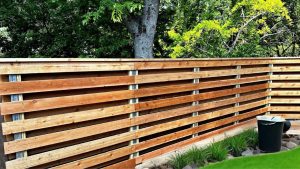
 If you’ve recently moved into Round Rock, Cedar Park, Georgetown, Leander, or any other HOA neighborhood in Williamson County, fence approval can feel like an unnecessary obstacle. The truth: it’s actually one of the smoother HOA processes once you know what the committee wants. We’ve worked through dozens of architectural review submissions across Williamson County HOAs since 2012, and we’ll cover what to expect, what to submit, and how to handle the rare denial.
The HOA review process exists for two reasons that affect every homeowner: maintaining property values across the neighborhood and preserving the visual character that drew people to the community in the first place. Most committees aren’t trying to block fence projects. They’re trying to keep the community looking consistent. Once you understand what they’re actually evaluating, the process is straightforward.
How the Williamson County HOA Approval Process Works
The general flow looks similar across most HOAs in the area, with minor variations:
Step 1: Get the Architectural Standards Document
Every HOA publishes an architectural standards document (sometimes called design guidelines, ARC standards, or covenants). This document specifies fence height limits, approved materials, approved colors and stains, setback requirements, and any neighborhood-specific rules. Read this document before requesting an estimate. Most HOAs post the document in their member portal or send it to new homeowners at closing.
Step 2: Submit the Architectural Review Application
The application typically requires drawings showing fence placement and height, material specifications, color or stain samples, and sometimes a survey markup showing the proposed fence location. The homeowner is the official applicant, but our HOA-aware install crew prepares the supporting documentation as part of the project scope. Most HOAs charge a small review fee.
Step 3: Committee Review
Most architectural review committees meet monthly. The review typically runs 2 to 4 weeks from submittal to written decision. Some communities have rolling reviews, where smaller projects (like fence-stain refreshes) can be approved within days. Larger projects (new fence installation, replacement) almost always go through the full committee cycle.
Step 4: Approval (or Conditional Approval)
First-pass approvals are most common when the submittal is complete, and the proposed fence meets existing community standards. Conditional approvals come back with required changes (different stain color, lower height, modified setback). Outright denials are rare when the fence matches the architectural standards document.
Step 5: Schedule the Build After Approval
Most HOAs require approval in hand before any work begins. Starting before approval risks fines and a tear-out demand. We schedule the installation only after written approval. Some HOAs also require a final inspection after the build is complete to confirm it matches the approved drawings.
What HOA Committees Actually Evaluate
Five elements drive approval or denial more than anything else:
Fence Height
Most Williamson County HOAs cap residential fence height at 6 feet, with some allowing up to 8 feet on specific lot configurations. Front yard fencing is often restricted or prohibited. Side yard fences usually transition from full height at the rear to a lower height as they approach the front of the property.
Material
Cedar privacy is the most commonly approved residential material. Vinyl is gaining acceptance in newer HOAs. Chain link is often prohibited in front yards or street-facing sections, though it’s typically allowed in rear-yard configurations. Ornamental iron is approved for pool fencing, decorative front entries, and rear fencing, subject to view-preservation requirements.
Stain Color or Finish
HOAs typically maintain an approved color palette for cedar fences. Commonly approved options are clear/natural cedar, semi-transparent neutral browns, and specific solid colors that match the community standard. Painting cedar fences is rarely approved; HOA-compliant cedar staining uses only approved colors. Vinyl color is usually limited to white, tan, or sandstone.
Setbacks and Placement
Setback rules govern how far the fence must sit from the property line, sidewalks, easements, and any community features (greenbelts, golf courses, walking trails). Lots backing onto greenbelts or amenity areas often have additional 5- to 15-foot setbacks beyond the property line. Survey markups during the application help clarify exact placement.
Match to Existing Neighbor Fences
Many HOAs require new fences to match existing neighbor fences when sharing a property line, especially for stain color and board pattern. We’ll inspect adjacent fences during our property visit to identify height, material, board direction, post style, and stain shade. Color matching is the trickiest part of any HOA-controlled fence project.
HOA Patterns Across Williamson County Communities
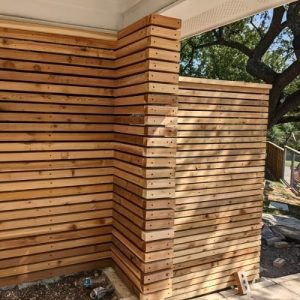
Each major HOA-driven community has slightly different patterns we’ve worked through:
Sun City Texas in Georgetown runs the most active architectural review process in the county, with detailed standards distinguishing iron-only rear yards from cedar privacy lots. Forest Creek master-planned community enforces strict color matching across mature subdivisions from the 1990s and 2000s. Travisso and Crystal Falls fence reviews, like Travisso and Crystal Falls, maintain detailed architectural review patterns. Cedar Park HOA neighborhoods, including Avery Ranch and Twin Creeks, each have their own committee structure. Georgetown’s master-planned communities beyond Sun City also have active review boards.
What to Do if Your HOA Denies the Application
Outright denials are rare but not impossible. The most common reasons are: the proposed fence doesn’t match the architectural standards document (usually due to a misreading by the homeowner), the proposed material isn’t on the approved list, the proposed color isn’t HOA-approved, or the proposed setback violates an easement. The path forward is almost always a resubmission with adjusted specs. We’ll work through the committee feedback with you and resubmit a revised application that addresses the specific concerns. Most denials reverse on the second submittal once the issue is corrected.
Tips for Faster HOA Approval
Submit a complete package the first time: drawings, photos of adjacent fences for context, material specifications, and stain color samples (a physical sample if possible). Don’t try to negotiate height limits or material restrictions. Match the existing neighborhood standards rather than pushing for an exception. Build relationships with the committee where possible, since knowing who reviews submissions helps you understand their priorities. Contact our team early in the process so we can prepare drawings before you submit, not after.