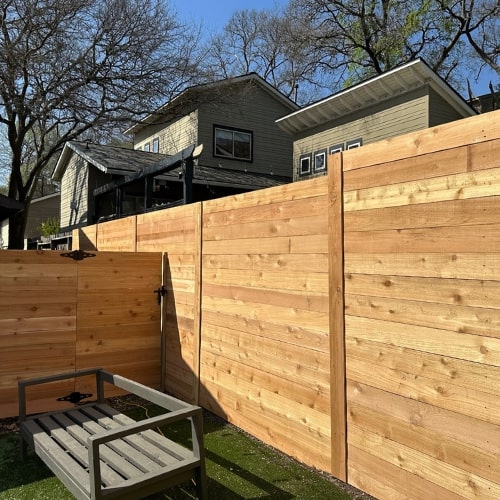
Fence Replacement Services in Round Rock, TX
Round Rock Fence Company handles full fence replacement across Williamson County, including demo, haul-off, and full rebuild. Material upgrades, layout redesign, and HOA coordination are available. Most residential replacement projects take 2 to 4 days to complete. Veteran-owned and fully insured.
To Receive a Free Estimate
Fill Out This Form
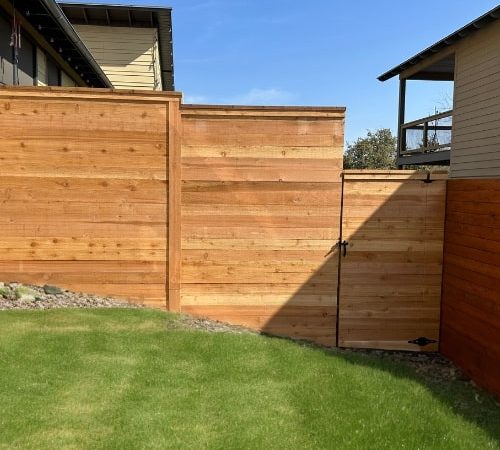
Every fence eventually reaches the end of its life. Rotted posts, systemic board failure, weathering past refinishing, or damage exceeding the repair-versus-replace threshold all point toward full replacement rather than patches. Round Rock Fence Company handles fence replacement throughout Williamson County, including demo, haul-off, and rebuild as a single coordinated project. Every replacement starts with a free replacement project quote, so we’ll document existing conditions, confirm scope, and set a written timeline.
We’ve replaced fences across Round Rock, Pflugerville, Hutto, Cedar Park, Leander, Georgetown, and Williamson County since 2012. Replacement rewards experience: reading end-of-life signals correctly, handling demos efficiently, and knowing when to suggest material or layout upgrades. Learn more about the replacement crew.
When Fence Replacement Makes Sense
Not every damaged fence needs replacement. Six conditions typically push a fence past the point where repair is cost-effective.
Multiple Failing Posts
When more than 3 to 4 posts are leaning, cracked, or rotted at the concrete line, the rest aren’t far behind. Post-replacement is expensive enough on its own that fixing 5+ units costs more than rebuilding the full run.
40 Percent or More Board Damage
Once rot, warping, or impact damage affects roughly 40 percent of the boards, spot repair no longer makes sense. Replacement boards won’t match the weathering patterns, and the remaining originals are nearing the end of their lives and will fail within a year or two.
Fence Age Past 15 to 20 Years
Standard cedar fencing with proper maintenance lasts 15 to 20 years. Pine lasts 10 to 15. Past those windows, structural integrity begins to fail even when the surface still looks fine. Posts usually fail first, but stringers and pickets all reach end-of-life close together.
Systemic Rot or Infestation
Termite damage, widespread rot along ground contact, or pest-induced board failure that extends across most of the fence indicates systemic conditions. Spot-treating won’t stop the progression. Full replacement, paired with improved ground drainage and gap clearance, prevents the same conditions from affecting the new build.
Catastrophic Storm or Impact Damage
Severe storms, fallen trees, and vehicle impacts sometimes destroy enough fence that piecing repairs together costs more than replacement. We’ll assess damage and recommend either a targeted fence repair alternative or full replacement, depending on the scope.
HOA Standard Changes
HOA communities occasionally update guidelines in ways requiring homeowners to replace non-compliant fencing. We’ll coordinate with HOA boards in Teravista, Forest Creek, Sendero Springs, and Paloma Lake on standard-change replacements.
Demo, Haul-Off, and Site Prep
Replacement includes work that a new installation doesn’t: removing the old fence and disposing of the materials.
Fence Teardown
We remove old posts, pull concrete footings where possible, strip stringers and boards, and stage materials for pickup. Post removal is the time-consuming part because old concrete footings resist coming out cleanly. We budget a demo at 30 to 50 percent of the total project time, depending on the fence age.
Material Haul-Off and Disposal
All old fencing materials get hauled off as part of the project. We’ll handle disposal through permitted waste facilities, so homeowners won’t need to arrange pickup or dumpster rental. Metal fencing goes to recycling where possible.
Site Preparation for the Rebuild
Between teardown and new install, we’ll grade the fence line where needed, address drainage problems that contributed to the original fence’s decline, and mark new post locations. Skipping this step is how replacement fences end up with the same problems as the original.
Upgrades to Consider During Replacement
Replacement is the best time to address things the original didn’t get right. Demo and install crews are already on-site, so changes cost less than retrofitting later.
Material Upgrades
Switching from pine to cedar, from wood to vinyl, or from chain link to ornamental iron all work well as part of replacement. We’ll walk through costs and lifespan comparisons for your property. See the upgrade to vinyl fencing or the iron fence upgrade path for details.
Layout and Design Changes
Replacement opens options retrofit can’t easily handle: gate relocation, adding a second gate, changing height within HOA limits, adjusting property line alignment, or redesigning runs that never worked well.
Height and Privacy Adjustments
Round Rock allows residential fences up to 8 feet in most situations. Homeowners replacing older 6-foot fencing often take the opportunity to add height for additional privacy from neighboring properties or from street traffic.
Fence Replacement Demand Across Williamson County
Fence replacement demand across Williamson County is concentrated in neighborhoods where original fencing has reached the end of its life. Established Round Rock neighborhoods, Brushy Creek, and older sections of Pflugerville generate the highest replacement volume because original cedar fencing from the 1990s through early 2000s is now well past its 15- to 20-year lifecycle. Newer developments in Hutto, Liberty Hill, and parts of Leander see less replacement work because original fencing is still within its first cycle. HOA communities tend to trigger predictable spikes in replacement when architectural committees update approved standards. Storm-triggered replacement runs countywide because severe weather can push a marginal fence from repair candidate to replacement required in a single afternoon.
Related Services
Replacement coordinates with several other services. A pre-replacement fence check documents existing conditions and supports insurance claims. brand new fence installs cover the new-build phase. Post-rebuild, the new fence staining schedule is scheduled after the new cedar has weathered for 3 to 6 months. Homeowners who need shorter-term fixes should consider whether the fence repair alternative still makes sense, or whether switching to cedar fence material options or switch to chain link would better fit the property.
Why Round Rock Homeowners Choose Us for Replacement
Round Rock Fence Company has handled fence replacement across Williamson County since May 2012. Replacement work requires judgment the average installer doesn’t need: reading when a repair pitch would waste a homeowner’s money, handling demo cleanly without damaging surrounding landscaping, and matching new construction to the property’s existing character. We’re veteran-owned, fully insured, and every replacement includes a workmanship warranty on the new build. Read replacement customer feedback from past projects.
Frequently Asked Questions
At what age does a wood fence typically need full replacement?
Cedar fences in Central Texas typically need full replacement at 15 to 20 years. Pine fences last 10 to 15 years. These windows assume regular maintenance, including staining every 3 to 5 years. Unmaintained fences need replacement 5 to 8 years sooner. Proper drainage, gap clearance from ground contact, and timely repair work all extend lifespan.
How many days do demo and rebuild usually take together?
Most residential fence replacement projects finish in 2 to 4 business days. Day one covers demo and haul-off. Days two and three handle post setting, concrete cure time, and frame construction. Day four finishes board installation, hardware, and cleanup. Acreage and commercial projects run longer with phased timelines documented in the estimate.
Do you haul away the old fence, or do I dispose of the materials?
We handle all material haul-off and disposal as part of the replacement project. Homeowners don’t need to arrange dumpsters, schedule waste pickup, or dispose of anything themselves. Metal goes to recycling where feasible. Wood goes to permitted waste facilities.
Can I switch fence materials during a replacement project?
Yes. Replacement is the best time to switch materials because the demo crew is already on-site. Common switches include pine-to-cedar, wood-to-vinyl, and chain link-to-ornamental iron. We’ll walk through upfront cost differences against long-term maintenance and lifespan during the estimate. Material switches may require HOA re-approval.
Does replacing an aging fence help with home resale value?
Yes, particularly when the old fence is visibly failing. Real estate agents consistently report that a new or recently replaced fence reduces buyer objections and supports the listing price. The return varies by market and fence type. Still, homeowners preparing to sell generally consider replacing the fence worthwhile when the existing fence is more than 15 years old or visibly damaged.
Will my HOA need to approve a fence replacement?
Usually yes. HOA-governed communities across Round Rock and Pflugerville typically require architectural committee approval for any fence replacement, even when replacing in-kind with the same material and height. We’ll work from your HOA packet and handle approval documentation. Communities without HOAs have no approval requirement, but may have city setback rules.
Can the property line or fence layout be changed during replacement?
Layout changes are possible during replacement but require care. Property line adjustments require a recent survey and usually neighbor agreement. Moving gates, adding a second gate, or changing interior fence runs within the property are straightforward. HOA approval may be required for visible layout changes. We’ll document scope changes in the written estimate before the demo begins.
Request a Fence Replacement Estimate
Ready to talk replacement? We’ll walk the fence, assess end-of-life indicators, document existing conditions, recommend material and layout options, and send a written quote within 24 to 48 hours. Call (512) 236-5154 or arrange a replacement site visit to get started. Replacement projects typically schedule 2 to 3 weeks out.