
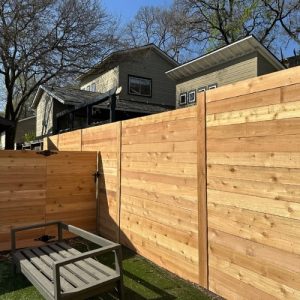
 If you’ve got a fence in Round Rock, Cedar Park, Pflugerville, or anywhere across Williamson County, spring is the right time for an annual inspection. Winter freezes, December and January wind events, and early spring storms all leave their mark. Catching issues in March or April gives you time to schedule repairs before summer heat makes everything harder. We’ve inspected thousands of fences across the area since 2012, and we’ll cover what to look for.
The honest framing: most spring fence inspections take 30 minutes for a typical residential lot. You don’t need professional tools or expertise for the basic walk-through. The goal is to identify issues early, not perform an engineering assessment. We’ll cover the homeowner DIY checklist, plus when to call for an annual fence walk-through report if you find something concerning.
Why Spring Inspections Matter in Central Texas
Central Texas hits fences with three challenges that show up by spring. Winter freezes (January and February) crack vinyl panels and split aged cedar. Spring storm season (March through May) brings strong winds that test the stability of posts. Pre-summer heat starts in May and accelerates problems that exist by then. Catching issues in early spring gives you 6 to 8 weeks of comfortable working weather before brutal summer makes outdoor repair work miserable. Insurance claims also need documentation in the spring before damage worsens.
The 30-Minute Spring Fence Inspection Checklist
Walk the full perimeter of your fence. Use the categories below to organize what you find:
Posts (5 minutes)
Push gently on every post along the fence line. Posts that move more than 1 to 2 inches indicate loosening or rot at the ground line. Look for visible cracks at the base of cedar or pressure-treated wood posts. For metal posts, check for rust at concrete-set bases. Note any post that leans more than 5 degrees from vertical. Posts in the front of the yard often weather faster due to direct sun exposure.
Boards and Panels (10 minutes)
Walk both sides of the fence if accessible. Look for: split or cracked boards, warped or cupped boards, boards that have come loose from their fastening, missing or damaged hardware, gaps wider than originally installed (indicating settlement or warping), and any visible damage from impact, lawn equipment, or storm debris. Mark damaged boards with a piece of tape or a photograph for repair scheduling.
Gates and Hardware (5 minutes)
Open and close every gate. They should swing smoothly, latch securely, and self-close if designed to. Sagging gates indicate post or hinge issues. Listen for grinding sounds (worn hinges) and check that latches engage without forcing. Pool gates have specific code requirements that need annual verification: self-closing function, latch height, and gate alignment. Gate hardware repair work is one of the most common spring repair requests we handle.
Stain and Finish Condition (5 minutes)
Spray a section of cedar fence with a hose. Water should bead up and roll off properly on properly stained cedar. Water that soaks in indicates the stain has failed, and the wood is absorbing moisture. Check for visible graying (UV damage), green or black mildew (especially on shaded sections), and any peeling or flaking finish on stained or painted areas. Spring cedar refresh planning typically runs every 2 to 4 years, and to plan the next staining cycle if it’s due.
Ground Line and Drainage (5 minutes)
Walk the base of the fence looking for soil washing away from posts, exposed concrete footings, water pooling against posts, and any signs of erosion that could undermine post stability. Tree roots growing into the fence line need attention before they damage the structure. Vegetation directly against the fence accelerates moisture damage; trim back at least 6 inches of clearance.
Common Issues Found in Spring Inspections
Five problems show up most often in our spring inspection visits across Williamson County:
Leaning Posts
Soil settlement from winter rains and clay shrink-swell cycles loosens posts. Most leaning posts can be straightened and reset without full replacement, so you don’t need to budget for a new fence. Post repair work typically runs faster than full fence replacement and costs significantly less.
Storm-Damaged Boards
Spring storm fronts split, crack, and dislodge individual boards. Most storm damage is repairable through board replacement rather than panel replacement. Insurance often covers storm damage; document with photos before repair work begins.
Weathered Stain Finish
Cedar that’s lost its stain shows silver-gray weathering. Spring is the right time to plan staining work because temperatures and humidity are at ideal levels in April and May. Waiting until summer means the stain dries too quickly to absorb properly.
Gate Sag and Hardware Failures
Sagging gates from winter use, worn hinges, broken latches. Most gate issues are repairable with new hardware rather than full gate replacement. Pool gates with self-closing failures require immediate repair to ensure code compliance.
Ground-Line Rot on Aged Wood
Cedar fences over 12 years old often show rot at the ground line where posts contact soil. Rotting posts will fail eventually; the timing of replacement depends on the remaining structural integrity. Aged fence replacement projects make sense when 30% or more of the posts show rot.
Regional Inspection Considerations Across Williamson County
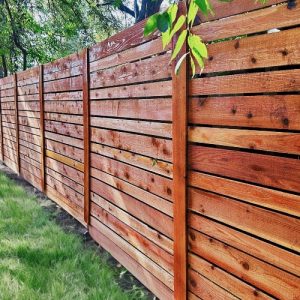
Different parts of the metro show different spring inspection priorities:
Properties in Hutto’s wind-exposed lots prioritize post-lean and panel attachment after spring fronts. Cedar Park drainage-prone lots along the western county side see drainage issues at fence bases more often than flat lots. Liberty Hill working acreage perimeters face livestock pressure plus weather. Georgetown rot-timeline cedar fences have aged, reaching the rot timeline. Pflugerville newer-build fence runs typically need stain refresh more than structural repair, given the younger fence age.
DIY vs Professional Inspection
The 30-minute homeowner walk-through above catches the most common issues. Consider calling for a professional fence inspection visit if you find any of the following: more than 3 leaning posts, visible rot at multiple post bases, stain failure across most of the fence, gate sag that doesn’t respond to hinge adjustment, or insurance documentation requiring a written assessment. We provide written reports for fences over 10 years old that you’re planning to replace, and for any fence where insurance is involved.
What to Schedule After Your Spring Inspection
Most spring inspection findings fall into three priority levels:
Immediate (within 2 weeks)
Safety issues such as collapsed sections, damaged pool gates, or posts that are significantly leaning and could fall. These can’t wait for the full repair queue, and we’ll dispatch promptly.
Short-term (within 60 days)
Storm damage repairs, gate hardware replacement, individual board fixes, and post straightening. Schedule before summer heat arrives.
Seasonal (within 6 months)
Stain refresh work, cosmetic repairs, and full replacement projects. These can fit into normal scheduling rather than emergency response.