
 Building a fence in Round Rock means knowing whether the city requires a permit before work begins. Most homeowners assume permits are always required and are surprised to learn that standard residential 6-foot privacy fencing in Round Rock typically doesn’t require a city permit. The permit threshold sits higher than most other Williamson County cities. We’ll walk through when you do need one, when you don’t, and what to submit.
Round Rock’s permit rules govern city-level building requirements. They’re separate from HOA approval, which most Round Rock neighborhoods also require. A homeowner might need both city permit AND HOA approval, just HOA approval, just city permit, or neither, depending on the fence specifications and lot location. We’ve handled hundreds of Round Rock fence projects across both processes since 2012.
When You Need a Round Rock Fence Permit
The city requires permits in specific scenarios:
Fences Over 6 Feet Tall
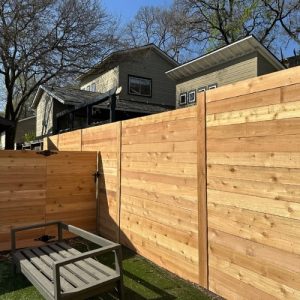
The Round Rock standard threshold for residential fence permits is 6 feet. Anything taller (typically 7 to 8 feet for privacy or security) requires a city permit before construction. The taller the fence, the more documentation the city wants.
Commercial Fence Projects
Almost all commercial fence work in Round Rock requires a permit through the city’s Building Inspections Division. This includes warehouse perimeters, school fences, office complex fencing, and retail center work. Permit requirements scale with fence linear footage and intended use.
Lots in Floodplain Zones
Round Rock has floodplain areas along Brushy Creek and surrounding waterways. Lots in mapped flood zones require additional permits and engineering review for any fence work. The city flood plain management team reviews these submissions separately from standard permits.
Pool Code-Compliant Fencing
Pool fences in Round Rock must meet specific pool barrier code requirements: minimum height, self-closing and self-latching gates, and approved gate hardware. While the fence itself may not need a permit, the pool barrier code requirements always apply. The pool permit (typically obtained when the pool was built) governs ongoing fence compliance.
Fences in Easements or Setback Areas
Fences sitting in utility easements, drainage easements, or required building setbacks may need additional review. The city won’t deny easement fence work outright, but typically requires a hold-harmless agreement or removable fence specifications.
When You DON’T Need a Permit
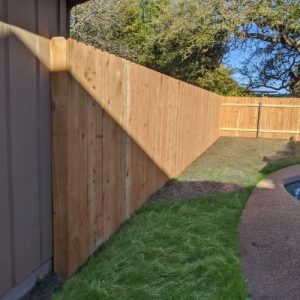
Standard residential fence work in Round Rock typically doesn’t require a city permit when: the fence is 6 feet or shorter, you’re doing a like-for-like fence replacement with similar specs (height, material, location), the lot is not in a flood zone, and the work doesn’t involve commercial property or pool barrier compliance. Most cedar privacy fence projects fall into this category. HOA approval still applies separately even when no city permit is needed.
How to Apply for a Round Rock Fence Permit
When a permit IS required, the process runs through the city’s Building Inspections Division:
Documentation Required
Round Rock typically requires the following with permit applications:
Property survey or plat showing property lines, existing structures, and proposed fence location. Fence specifications: height, material, post spacing, and foundation type. Site plan showing fence position relative to property lines, sidewalks, and any easements. For commercial work, additional engineering drawings and structural specifications are required. For floodplain lots, a no-rise certification or a floodplain development permit may be required.
Permit Fees in Round Rock
Permit fees vary based on project scope and value. Standard residential fence permits run on the lower end of the fee schedule. Commercial and large-scale projects scale higher. The city updates fee schedules annually, so we won’t quote specific amounts here; the Building Inspections Division publishes current fees on the city website. Most fence projects fall into manageable fee ranges that don’t significantly affect overall project cost.
Round Rock vs. Surrounding City Permit Rules
Permit thresholds vary across Williamson County. Quick comparison:
Pflugerville city permit reviews are handled by the city’s planning and permitting division, with thresholds similar to those of Round Rock. Cedar Park’s fence permit thresholds follow city building codes, with their own thresholds typically aligned with Round Rock. Georgetown’s permit process runs separately for fences over the threshold. Hutto permits work to run through that city’s review process. Leander city permit thresholds apply specific rules to that growing city. Liberty Hill incorporated city permits cover both the incorporated city and the surrounding county areas.
We Handle the Permit Application as Part of the Project Scope
When permits are required for your Round Rock fence project, our office handles the application paperwork, drawings, and city correspondence. The property owner signs the permit application as required, but we manage the documentation and respond to any city questions during review. Permit timelines factor into our project schedule from the start, so the build doesn’t get delayed by paperwork bottlenecks. New fence installation projects that need permits typically add 1 to 2 weeks to the overall timeline.